
 by admin
Types Of Mice UK
Mice are a common pest throughout the UK, and are often found inside homes or commercial premises such as warehouses, factories, hotels and other sites.
While you might know what these small rodents roughly look like, it can be challenging to pick them a mouse out when you see one, and they are often confused with rats, bank voles and other rodents.
As leading providers of mouse control throughout Bradford, Leeds and West Yorkshire, Riddex Pest Control has extensive experience in mouse identification, which is why we’ve put together this handy guide to UK mouse species.
Common Mouse Species Found In The UK
Mice are rodents that come from the family Muridae. Their distinguishing features are their small bodies, comparatively large ears, pointed snouts and thin tails covered in short hairs that are often as long or longer than their body length. Wild mice have a very short life expectancy of just 12-18 months, but pet mice can sometimes live for up to 2-3 years.
While some other species, such as voles or shrews, are also mistaken for mice, they are in fact distinctive animals that are from different families, and there are only four species of mice in the UK. These are the most common UK mice species.
House Mouse
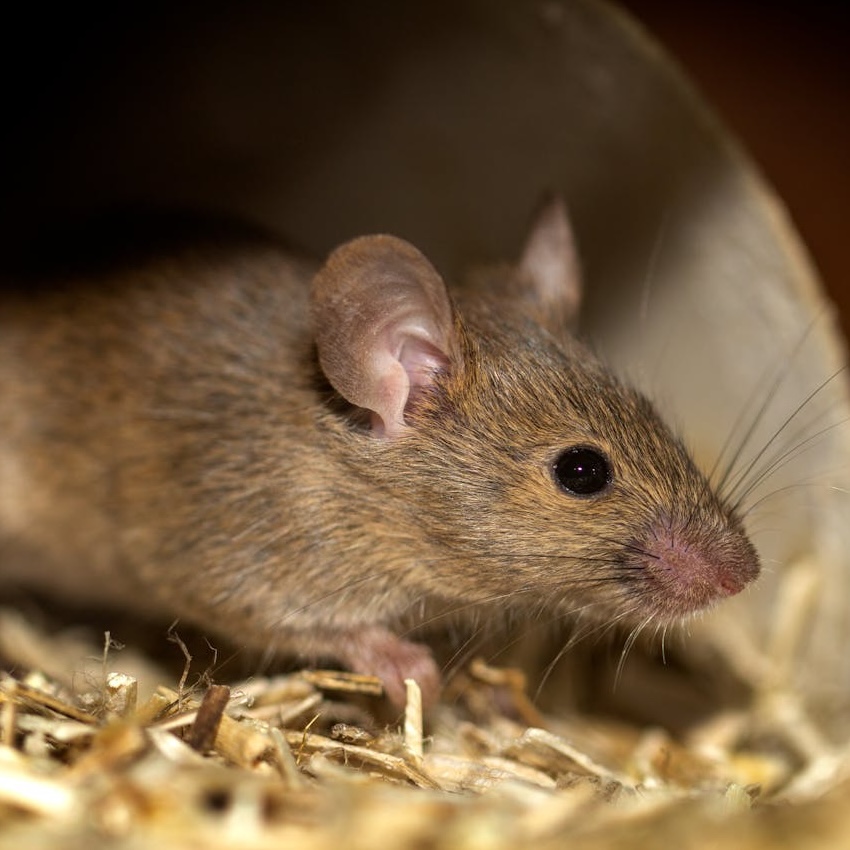
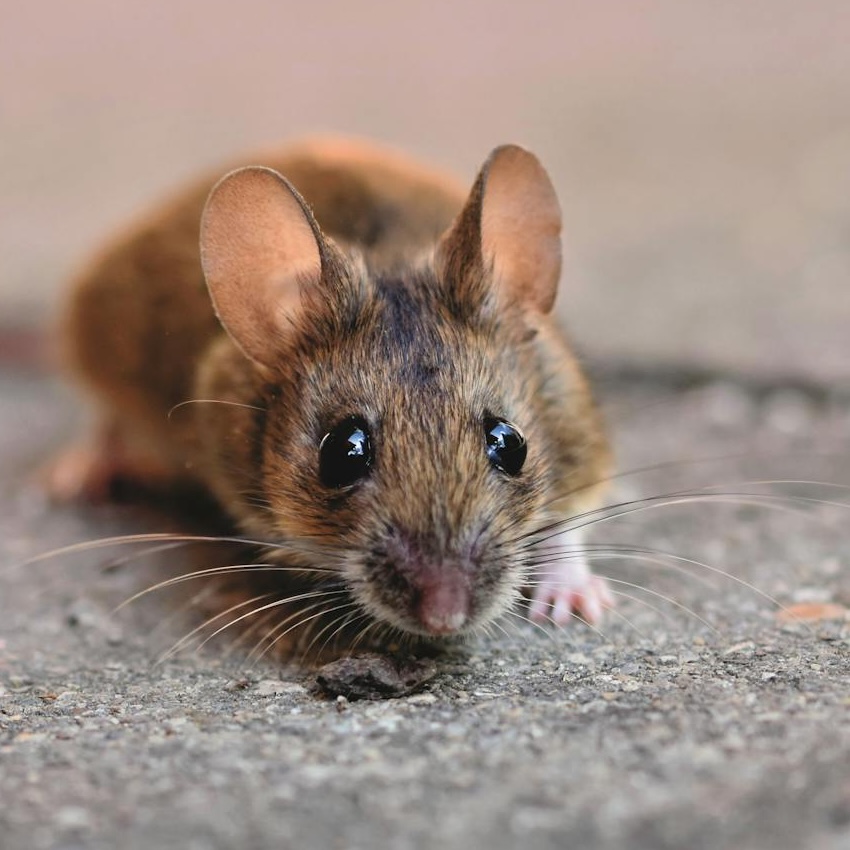
The house mouse (Mus musculus) is one of the most common pest mouse species found in the UK. They are light brown or grey in colour, and around 6–10 cm in head and body length, with a tail that is usually between 5-10 cm in length alone. They have prominent ears, beady black eyes and small feet.
As omnivores, house mice eat almost anything, including grains, nuts, seeds, fruit, vegetables and even small insects. Like all mice, house mice have teeth that grow almost constantly, so they will gnaw on hard materials, such as wood or plastic, which is why they can be particularly destructive when they venture indoors.
The pet mice that people keep, known as fancy mice (Mus musculus domestica) are a domesticated variant of house mice that have evolved into different colours.
Field Mouse
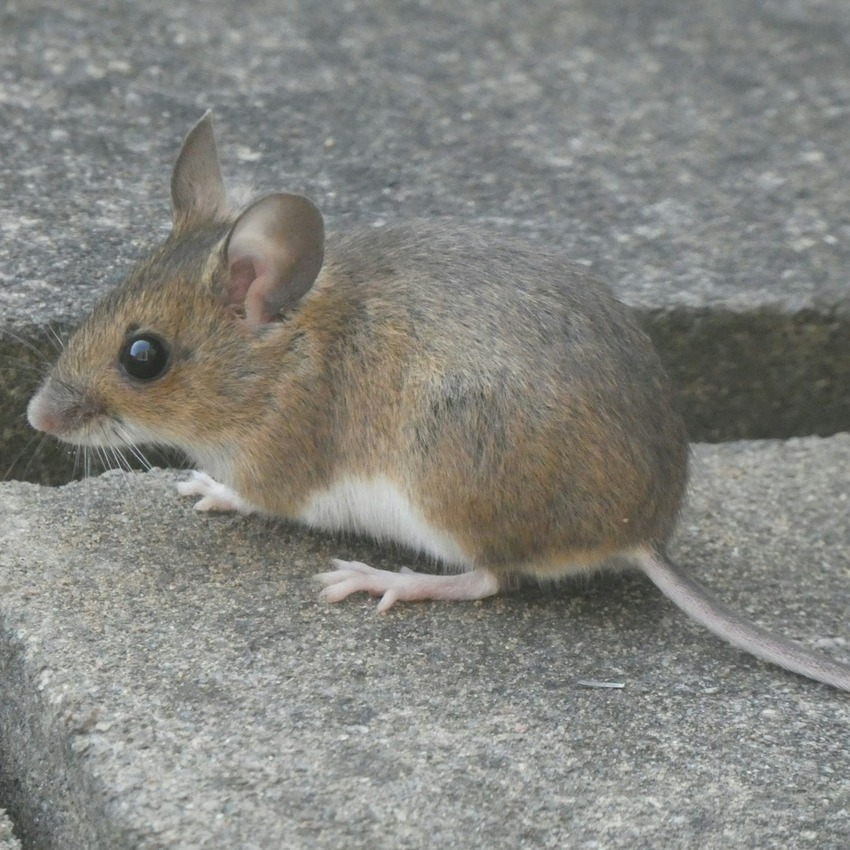
Also known as the wood mouse or Apodemus sylvaticus, field mice look remarkably similar to house mice, with brown fur and a long tail.
The main difference is that house mice have white bellies and are more often noticed in outdoor habitats.
Field mice also have hairier tails and large back feet, which are ideal for leaping around in fields and jumping across different terrain.
Like house mice, field mice eat almost everything, and mainly live on cereals, grains, nuts and seeds they can scavenge from farms and fields.
Yellow-Necked Mouse
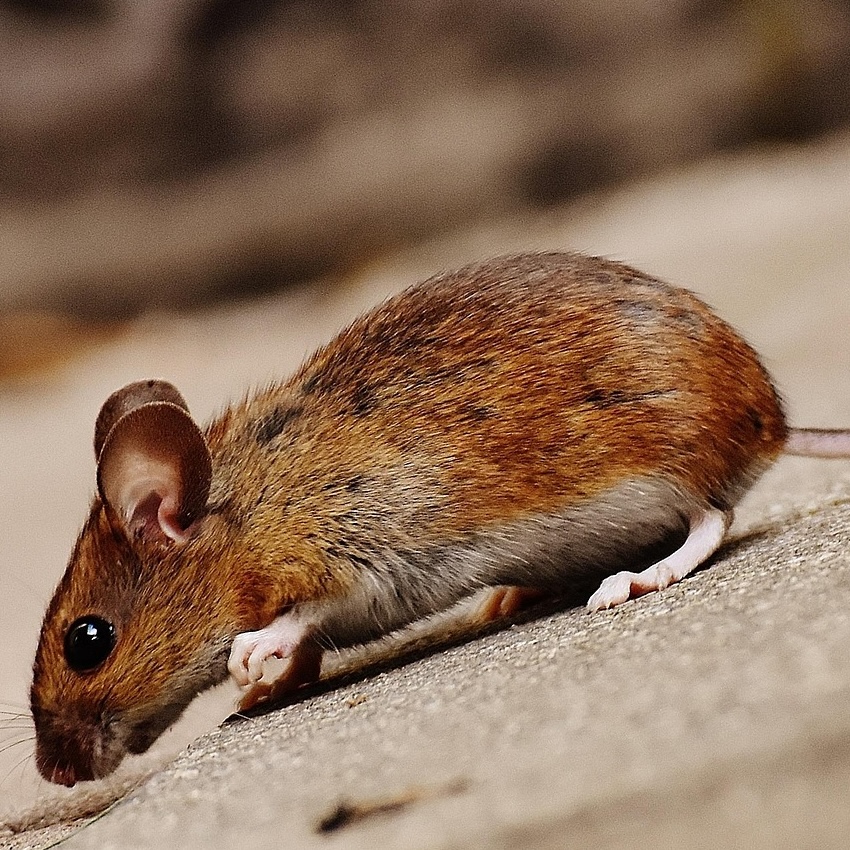
The yellow-necked mouse (Apodemus flavicollis) is between 9–13.5 cm in body length, with a tail almost as long as its body.
It has sandy brown fur, with a white belly similar to the field mouse. What sets yellow-necked mice apart is the distinctive yellow band of fur around its neck.
These acrobatic mice live in mature deciduous woodlands and gardens, favouring areas near to nut-bearing trees.
While yellow-necked mice usually live in outdoor burrows, but they have been known to venture indoors if food is scarce.
Harvest Mouse
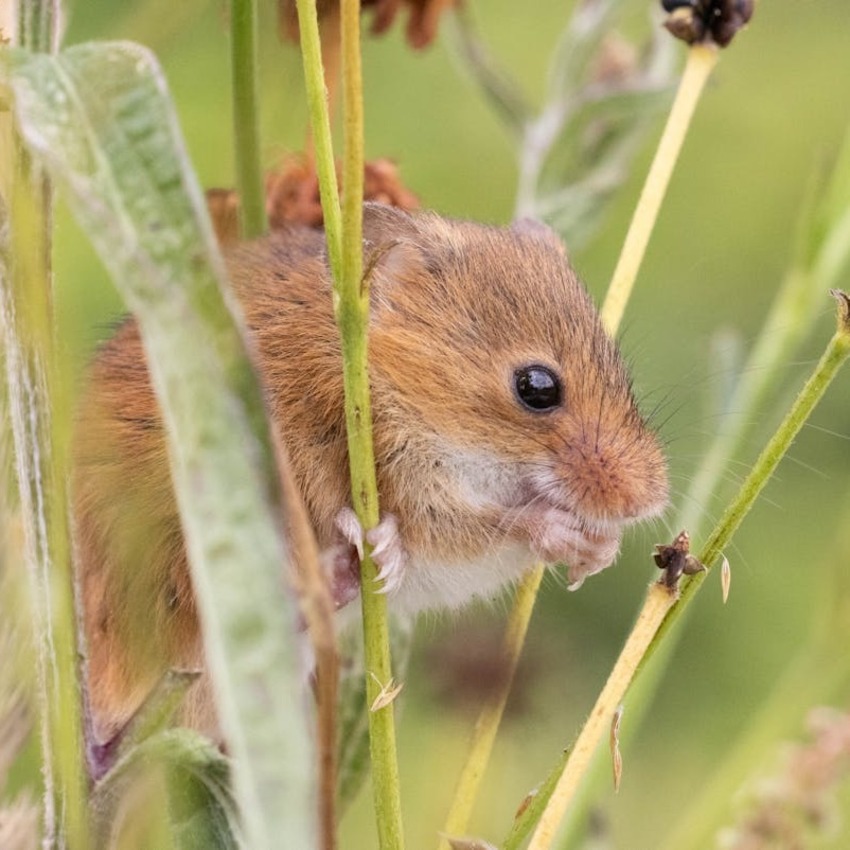
The smallest mouse species in the UK, the Eurasian harvest mouse (Micromys minutus) weighs between 4-6 grams, with a body of just 5–7 cm in length and a tail that’s the same length.
These mice are distinctive in appearance, with reddish-brown fur and a white belly. Their tail is nearly hairless, and they have small, rounded ears that usually sit back on their heads.
The harvest mouse is also unique as it is the only UK mouse species to have a prehensile tail that is capable of grasping reeds or stalks.
Harvest mouse are often found in rural areas and are not often thought of as pests. With its golden brown coat and tiny stature, harvest mice are considered cute.
Like other mice, their diet consists of seeds, nuts, cereals and grains, supplements with aphids and other insects. Because of their fast metabolisms, harvest mice eat regularly and can be highly destructive to crops.
The Difference Between Mice And Rats
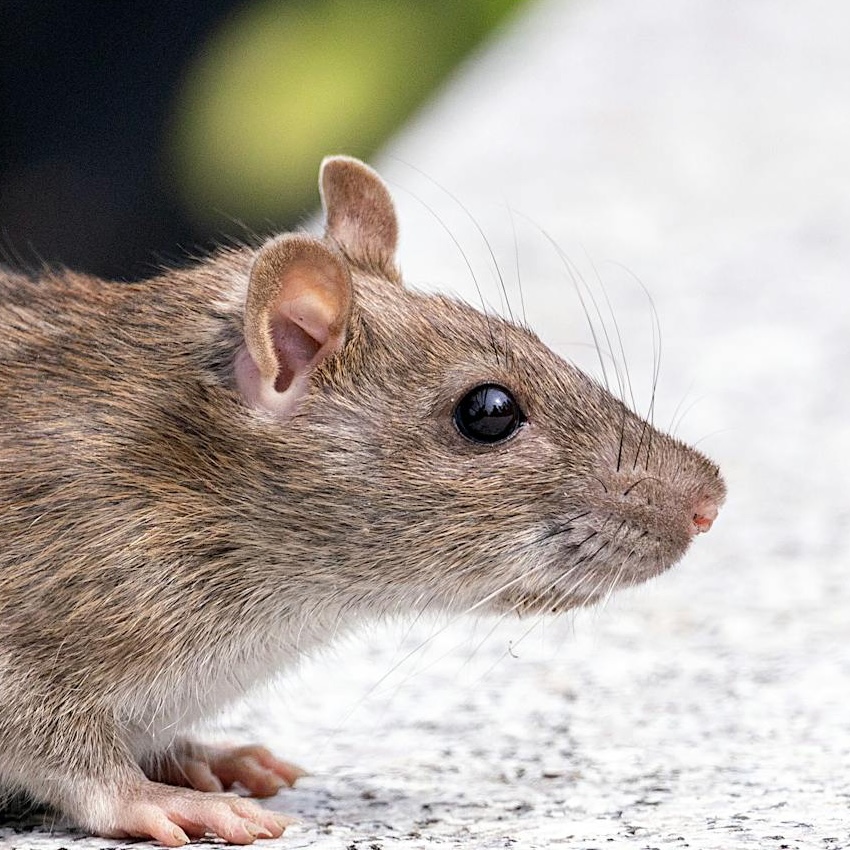
Mice are often confused with rats, and while both are rodents, they are distinct species, with rats belonging to the genus Rattus and mice to the genus Mus.
All mouse and rat species are different, but some key differences to watch out for include:
- Size: Brown rats are usually around 15–28 cm in length (without their tail), while house mice are 6–10 cm in length (also without their tail). As such, mice are significantly smaller than rats.
- Tails: Mice have long, thin tails that are covered in hairs and are usually as long, or longer, than their bodies. On the other hand, rats have short, stubby, scaly tails.
- Snouts: Mice have pointed snouts, giving them a traditionally ‘cute’ appearance. Rats have a blunt nose.
- Ears: Rats have rounded, small ears that are usually set in the middle of their heads. Mice have large ears that are flatter and appear further back on their heads.
- Droppings: If you’re dealing with a rodent infestation and aren’t sure what species you’re dealing with, the best approach is to look at the droppings. Mouse droppings are like tiny grains of rice, while rat droppings are larger and often have blunted ends.
- Behaviour: Rats are neophobic, meaning they’re scared of new objects, and will usually hide away from humans. Mice are naturally curious and much braver than rats, meaning you may notice them in your space or venturing into new areas.
What To Do If You See A Mouse
Now that you know about the different species of mice in the UK, you might start noticing and identifying them more often.
If you notice a mouse in the wild, then the best thing to do is leave it alone. Mice, particularly field mice and harvest mice, are common in the countryside and are an important part of the local habitat.
On occasion, mice can make their way into homes or commercial premises. When this happens, you need professional mouse control services.
Riddex Pest Control provides mouse control as part of our commercial pest control contracts, or for new commercial clients and homes throughout Bradford and West Yorkshire.
Our friendly team understand how to remove mice and other species of vermin from your space quickly, humanely and safely.
Once the mice are eradicated, we can provide rodent proofing solutions to ensure they can’t return to your property.
Because mice carry diseases, they’re not safe to be living in close proximity to humans, and can contaminate food or cause serious distress if left unattended.
To book your mouse control appointment, contact us today on 07706 674706 or by emailing info@riddex.co.uk.