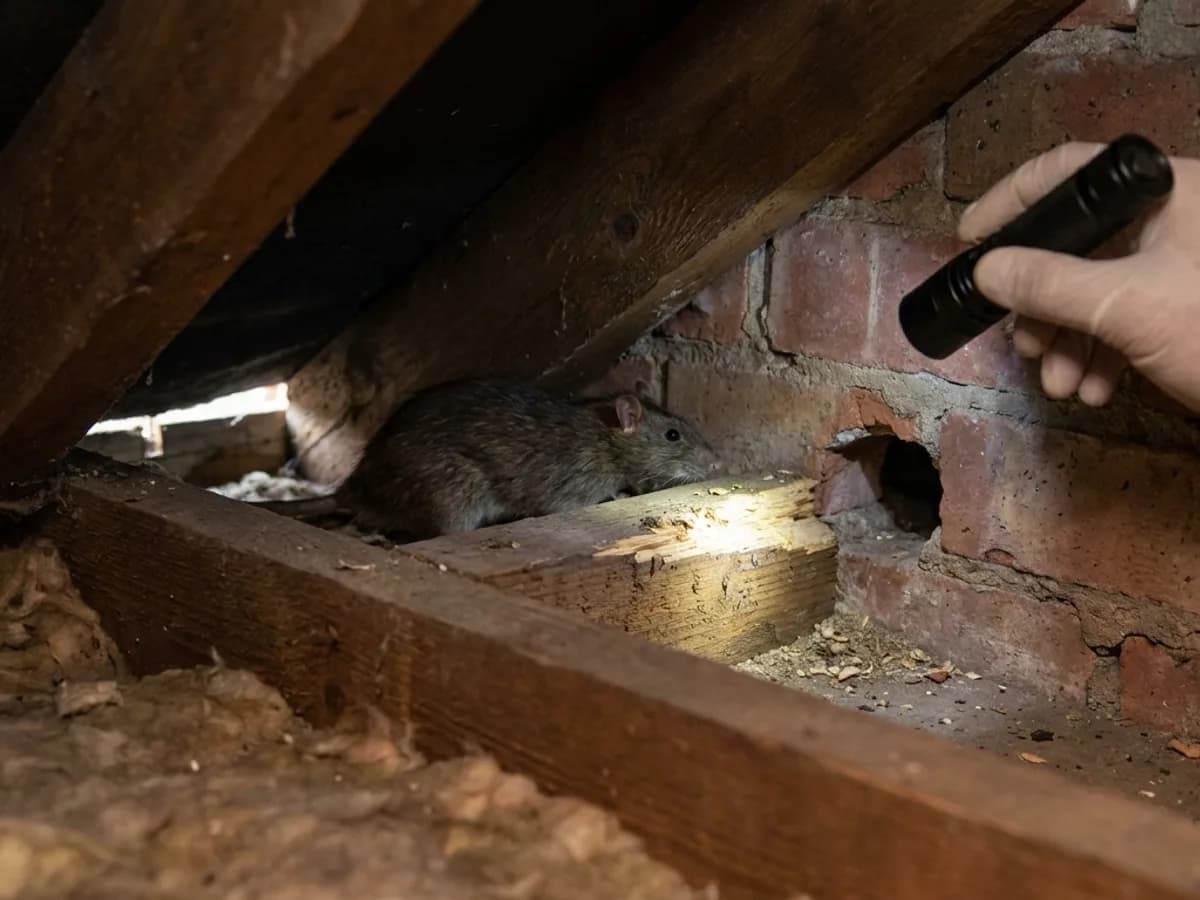
Getting rid of rats properly starts with understanding how they are using the property. A rat seen in a kitchen, loft, garden or business premises is usually only one part of the wider route.
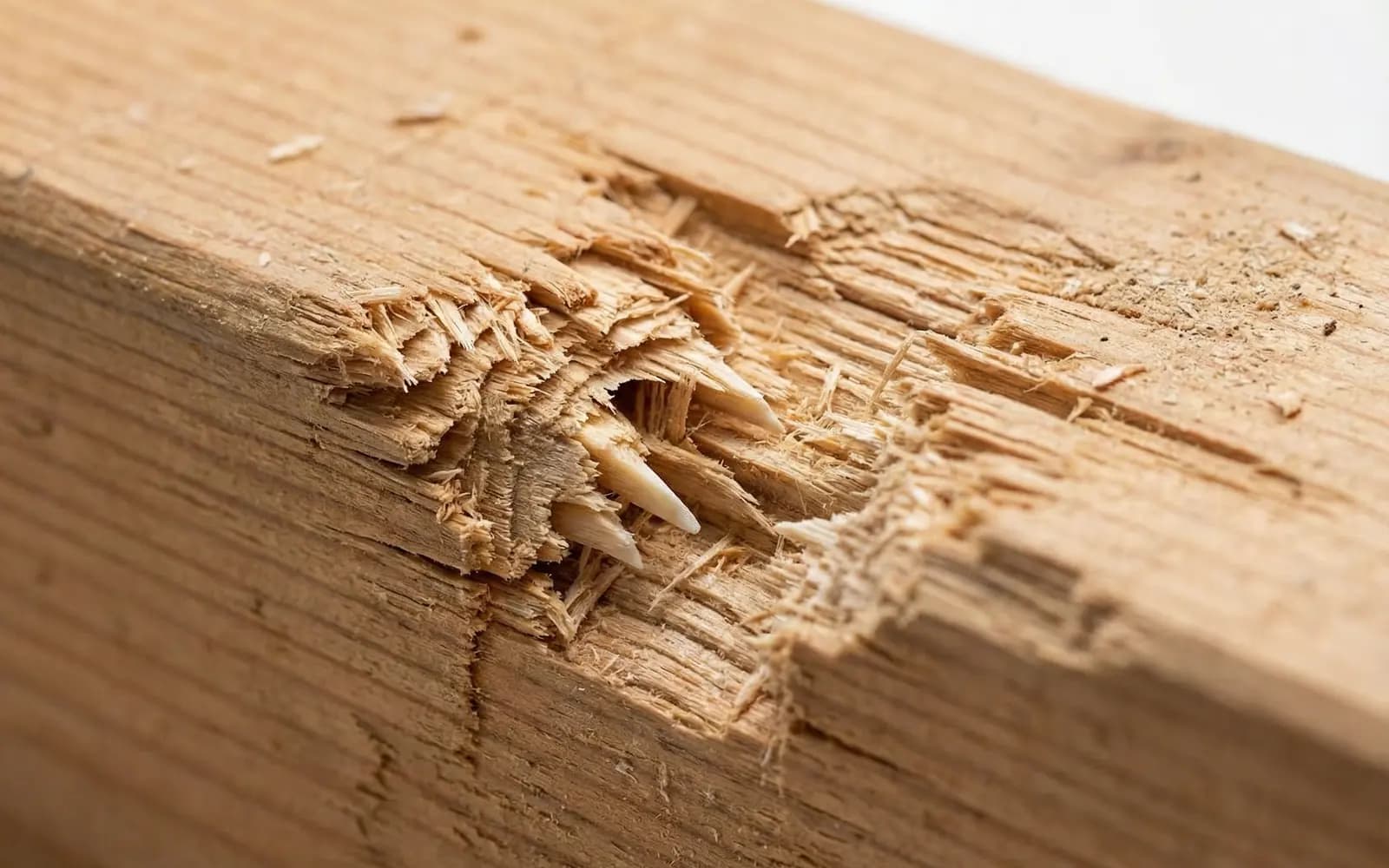
The first step is to look for signs: droppings, gnaw marks, scratching, greasy smears, disturbed food, damaged insulation and strong urine odour. These signs help show whether activity is occasional or established.
DIY bait and traps can reduce visible activity, but they often fail when the entry route is still open. Rats can keep returning through drains, service gaps, broken air bricks, floor voids, damaged doors, outbuildings or neighbouring access points.
Professional rat control usually combines inspection, targeted treatment and proofing advice. The treatment deals with active pressure while the proofing work reduces the route rats are using.
Hygiene and food access matter as well. Waste storage, pet food, bird feed, compost, commercial waste and poorly sealed stores can all make a property more attractive to rats.
In older West Yorkshire properties, drains, cellars, terraces and connected voids often shape how rats move. The correct response should be built around those practical routes rather than generic bait placement.
If rats are inside, damaging cables or appearing during the day, the issue needs faster attention. These signs can point toward a more established infestation or a route that has become easy for rats to use.
The best result is not just fewer sightings. It is a property with the active issue controlled, the entry route understood and the prevention steps made clear.